Brain Tumor Treatment
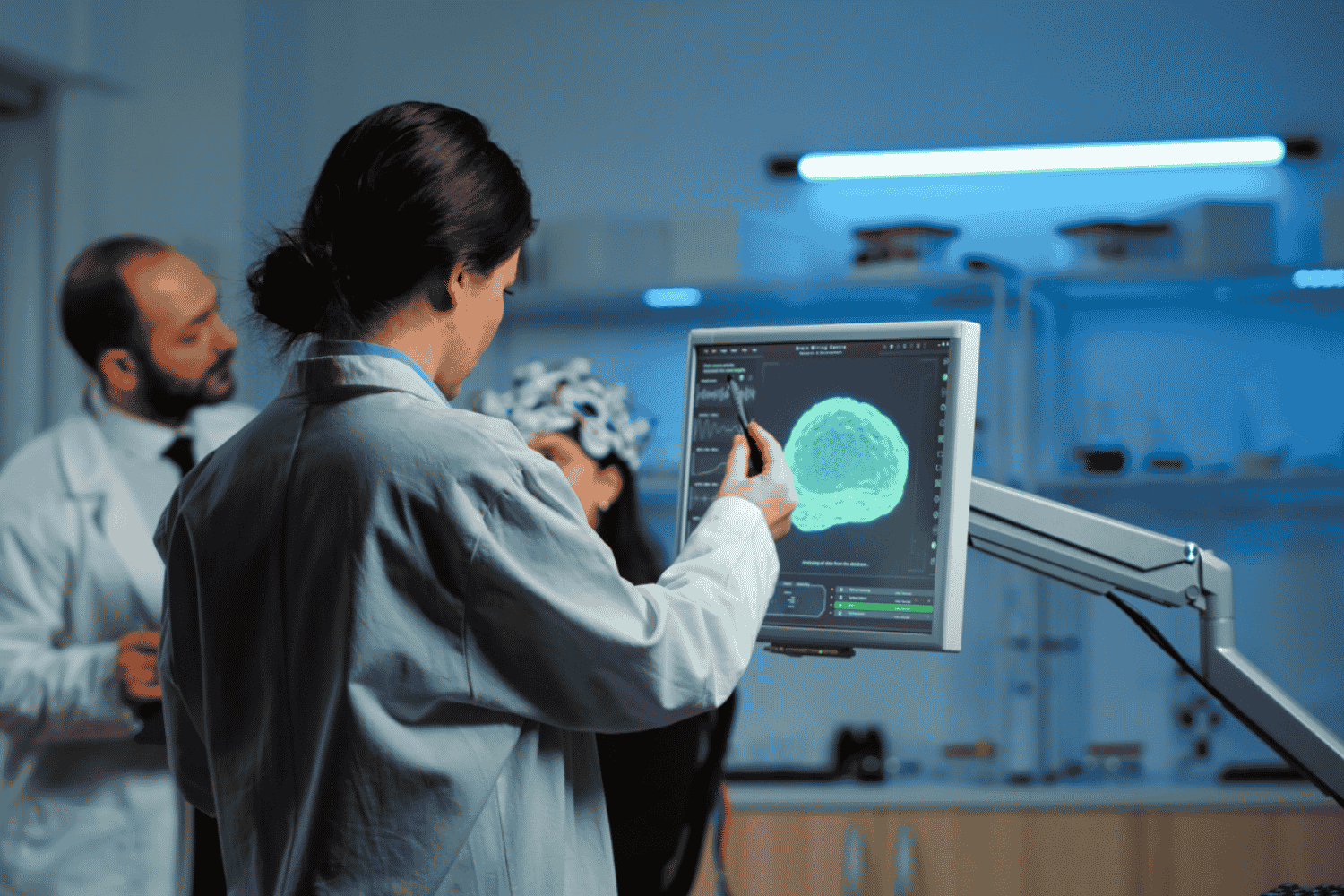
Comprehensive Evaluation and Treatment of Brain Tumors
Brain tumors can develop from brain tissue, surrounding membranes, nerves, or other structures within the skull. They may be benign or malignant and can produce symptoms depending on their size, type, and location. Dr. Shubham Vasudeva provides comprehensive evaluation and neurosurgical care for patients with suspected or diagnosed brain tumors, with treatment planned according to the individual clinical situation.
Symptoms may vary considerably and can include persistent headaches, seizures, weakness, vision changes, difficulty speaking, balance problems, memory changes, or personality changes. Because similar symptoms may occur with other neurological conditions, detailed evaluation and appropriate imaging are important before deciding on treatment.
Diagnostic Evaluation
The assessment may include:
- Detailed neurological examination
- Review of previous medical history and symptoms
- MRI or CT imaging of the brain
- Evaluation of tumor location, size, and surrounding structures
- Discussion of available surgical and non-surgical treatment options
Advanced imaging helps neurosurgeons understand the relationship between a tumor and important areas controlling movement, speech, vision, and other neurological functions.
Neurosurgical Management
Not every brain tumor requires the same approach. Depending on the diagnosis and location, management may involve observation, biopsy, surgical removal, or coordinated treatment with oncology and other specialists.
When surgery is considered appropriate, the objective is to remove as much abnormal tissue as safely possible while protecting healthy brain structures. Modern microsurgical and minimally invasive techniques may be considered where clinically suitable.
Patient-Centered Treatment Planning
Brain tumor treatment often requires collaboration between neurosurgery, radiology, pathology, oncology, and rehabilitation teams. Dr. Shubham emphasizes clear communication so patients and families understand the diagnosis, proposed procedure, potential risks, and expected recovery.
Follow-up imaging and neurological monitoring may also be required after treatment. Comprehensive brain tumor care focuses not only on surgical treatment but also on maintaining neurological function, supporting recovery, and planning appropriate long-term follow-up.
Other Conditions
Need Expert Brain & Spine Care?
Get personalized guidance for brain, spine, trauma, and neurovascular concerns with a careful, patient-focused approach.