Traumatic Brain Injury
Specialized Neurosurgical Care for Head Injuries
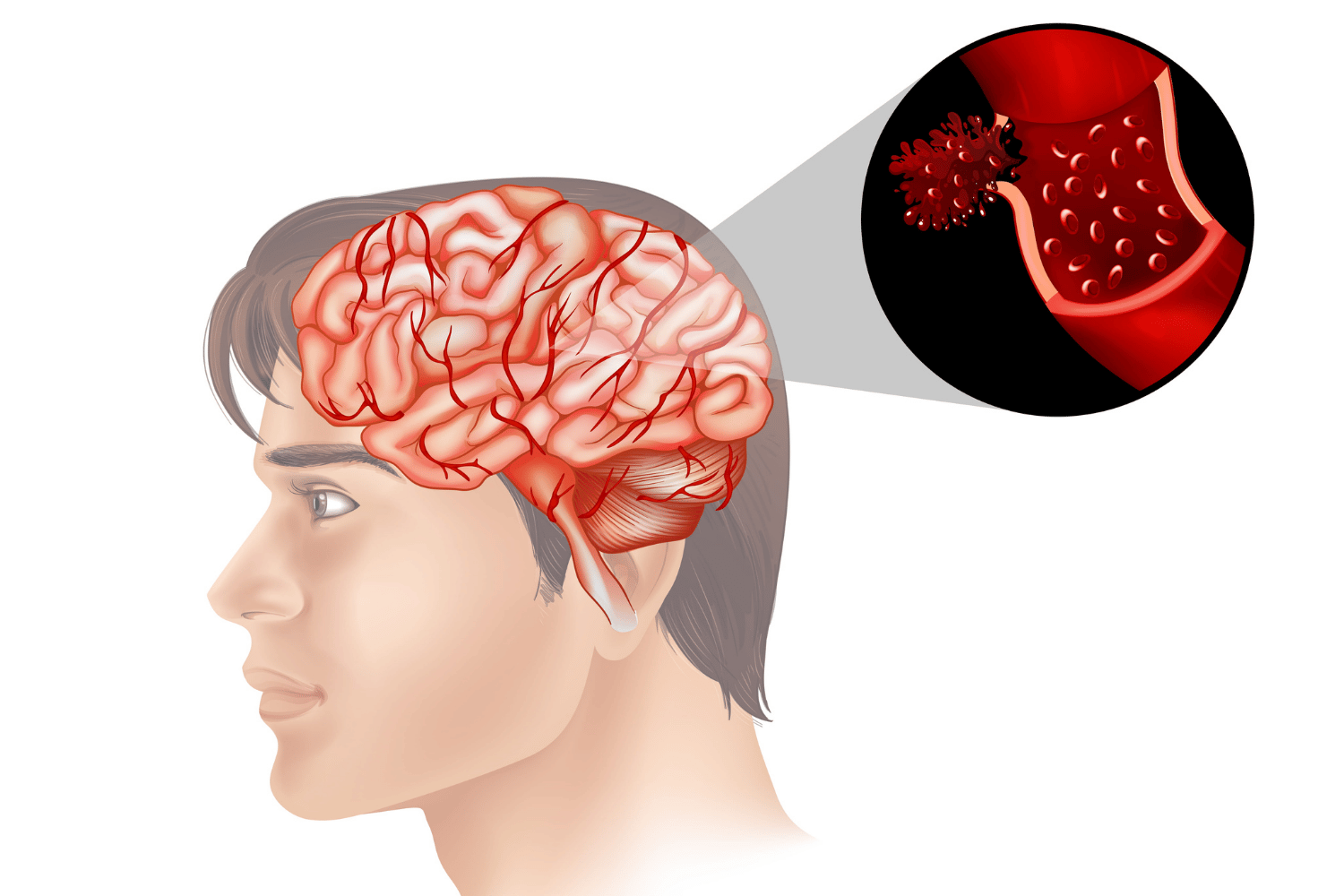
Traumatic brain injury occurs when an external impact, fall, accident, or other trauma damages the brain. Injuries may range from mild concussion to severe brain trauma involving skull fractures, bleeding, swelling, or increased pressure within the skull.
Dr. Shubham Vasudeva has focused training in trauma and emergency neurosurgery, providing assessment and surgical care for patients with acute head and brain injuries.
Common Causes of Brain Injury
Traumatic brain injuries may occur following:
- Road traffic accidents
- Falls
- Sports injuries
- Workplace accidents
- Direct impact to the head
- Other forms of physical trauma
Even when no external injury is visible, internal brain injury can still occur.
Symptoms to Watch For
Important symptoms may include:
- Loss of consciousness
- Persistent or worsening headache
- Vomiting
- Confusion or unusual behavior
- Seizures
- Weakness or numbness
- Speech difficulties
- Severe drowsiness
- Loss of coordination
Any significant head trauma accompanied by neurological symptoms should receive urgent medical evaluation.
Diagnosis and Treatment
The assessment begins with examination of consciousness, neurological function, pupil responses, and vital signs. CT scanning is often performed to identify skull fractures, bleeding, swelling, or other structural injuries.
Treatment varies depending on severity. Mild injuries may require observation and symptom management, while severe injuries may need intensive care or surgery.
Neurosurgical procedures may be necessary to:
- Remove blood clots
- Reduce pressure on the brain
- Control active bleeding
- Repair certain skull injuries
- Manage severe brain swelling
Recovery and Follow-Up
Recovery after traumatic brain injury differs for every patient. Some patients recover quickly, while severe injuries may require prolonged rehabilitation involving physiotherapy, occupational therapy, speech therapy, and neurological follow-up.
Dr. Shubham’s approach emphasizes rapid assessment, careful surgical decision-making, communication with families, and coordinated recovery planning. Early recognition and appropriate management are particularly important in reducing complications associated with serious brain trauma.
Other Conditions
Need Expert Brain & Spine Care?
Get personalized guidance for brain, spine, trauma, and neurovascular concerns with a careful, patient-focused approach.