Stroke Management
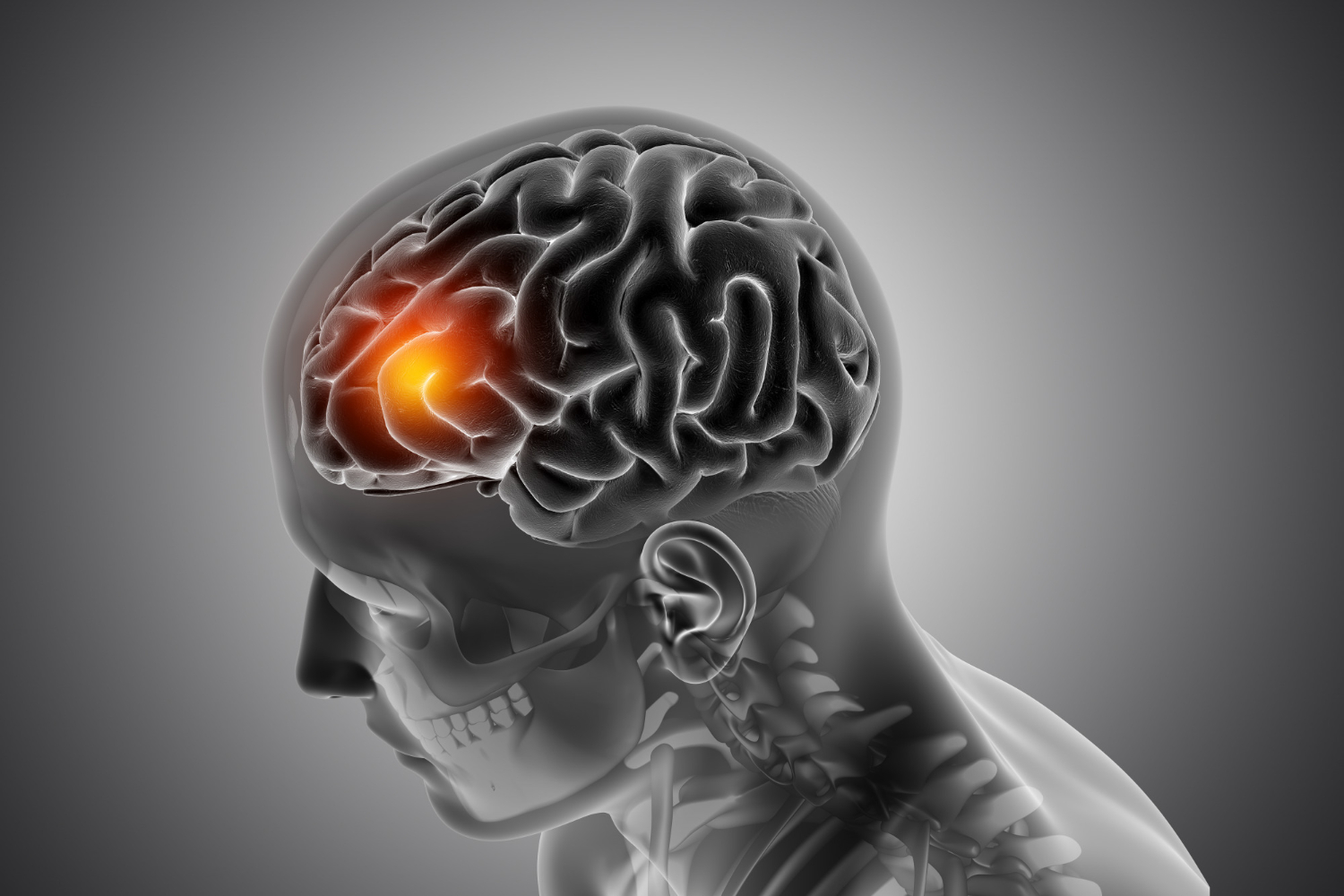
Specialized Care for Stroke and Cerebrovascular Conditions
A stroke occurs when blood flow to part of the brain is interrupted or when a blood vessel within the brain ruptures. It is a neurological emergency that requires rapid assessment because early treatment can significantly influence neurological outcomes. Dr. Shubham Vasudeva provides specialist evaluation for stroke and related neurovascular conditions requiring neurosurgical or endovascular assessment.
Strokes are broadly classified as ischemic stroke, caused by blockage of a blood vessel, and hemorrhagic stroke, caused by bleeding within or around the brain.
Recognizing Stroke Symptoms
Common warning signs may include:
- Sudden weakness or numbness of the face, arm, or leg
- Difficulty speaking or understanding speech
- Sudden facial drooping
- Loss of balance or coordination
- Sudden vision problems
- Severe unexplained headache
- Loss of consciousness in severe cases
These symptoms require immediate emergency medical attention.
Evaluation and Treatment
Stroke evaluation may involve CT scans, MRI, vascular imaging, and detailed neurological examination. These investigations help determine whether the stroke is caused by a blocked artery, intracranial bleeding, aneurysm, or another vascular abnormality.
Depending on the condition, treatment may include medical management, endovascular intervention, or neurosurgical procedures. Certain patients with major vessel blockages may be considered for specialized neuro-endovascular procedures based on imaging, timing, and clinical eligibility.
Neurosurgical Role in Stroke
Neurosurgical intervention may be required when there is significant brain swelling, intracranial pressure, hemorrhage, vascular malformation, or another structural problem requiring surgery.
Dr. Shubham has a special clinical interest and training in neuro-endovascular intervention and vascular neurosurgery, supporting comprehensive evaluation of complex cerebrovascular conditions.
Long-term stroke care may also involve rehabilitation, physiotherapy, neurological monitoring, and management of underlying risk factors. Treatment is individualized according to the type and severity of stroke, overall medical condition, and neurological status of each patient.
Other Conditions
Need Expert Brain & Spine Care?
Get personalized guidance for brain, spine, trauma, and neurovascular concerns with a careful, patient-focused approach.