Neurovascular Disorders
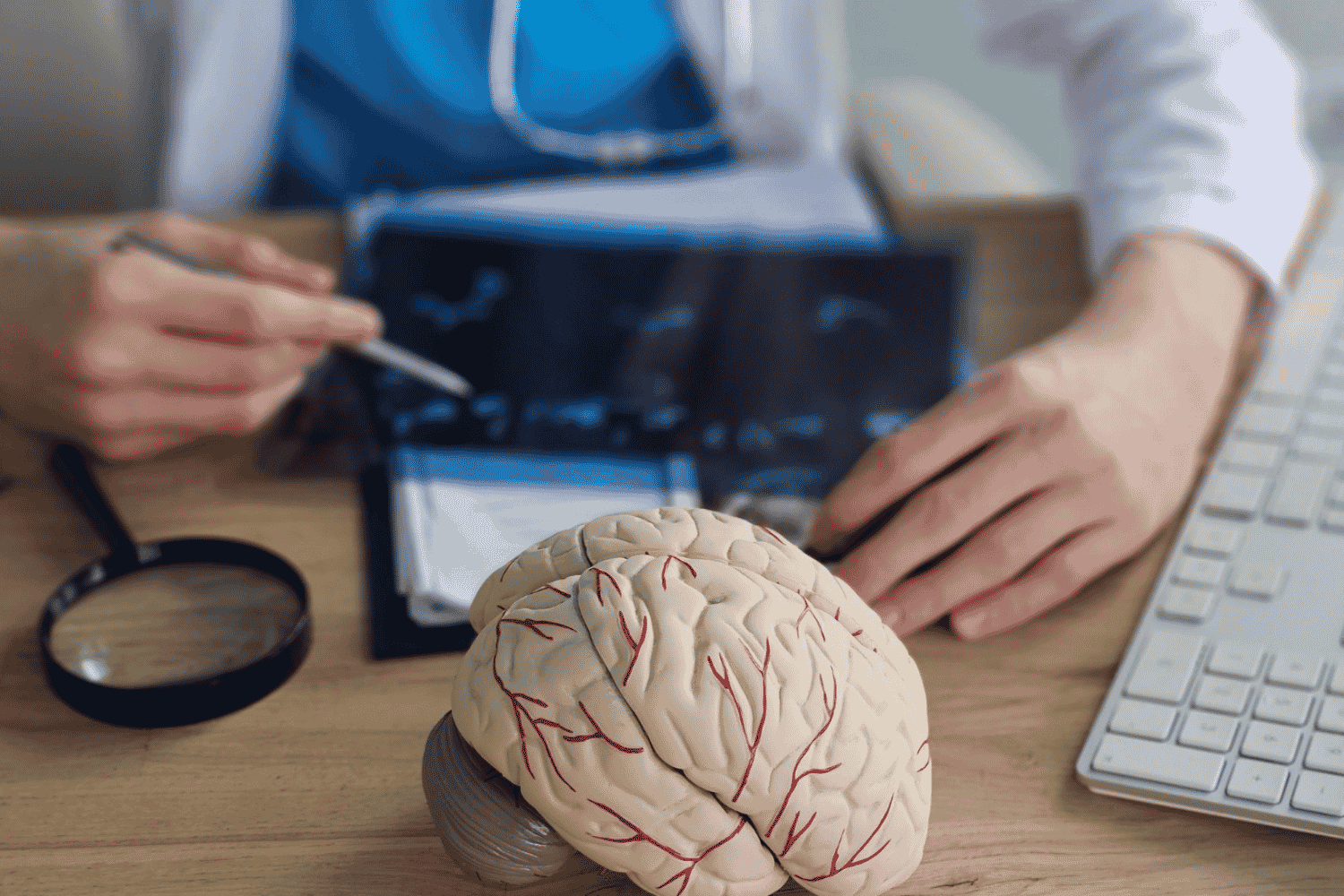
Advanced Evaluation of Brain Blood Vessel Conditions
Neurovascular disorders affect the arteries and veins that supply blood to the brain and spinal cord. These conditions may interfere with normal blood flow or cause abnormal vessels to rupture, potentially resulting in stroke, intracranial hemorrhage, seizures, or other serious neurological complications.
Dr. Shubham Vasudeva has a special interest and hands-on training in neuro-endovascular intervention procedures and vascular neurosurgery, with a focus on careful diagnosis and individualized management of cerebrovascular conditions.
Common Neurovascular Conditions
Conditions requiring neurovascular assessment may include:
- Brain aneurysms
- Arteriovenous malformations
- Cerebral artery narrowing or blockage
- Intracranial hemorrhage
- Certain forms of ischemic stroke
- Abnormal blood vessel formations
- Other cerebrovascular abnormalities
Some neurovascular disorders may remain asymptomatic until detected during imaging, while others can produce sudden or progressive neurological symptoms.
Symptoms That Require Assessment
Patients may experience:
- Sudden severe headache
- Weakness or numbness
- Speech difficulty
- Vision changes
- Seizures
- Loss of balance
- Altered consciousness
- Unexplained neurological deficits
The presentation depends on the location and nature of the affected blood vessel.
Diagnosis and Treatment Planning
Evaluation may involve CT angiography, MR angiography, cerebral angiography, MRI, or CT scans. These investigations provide detailed information about blood vessels and help determine the safest management approach.
Treatment may include regular monitoring, medication, microsurgical procedures, or minimally invasive endovascular intervention depending on the diagnosis.
Endovascular procedures are performed through blood vessels and may be considered for selected aneurysms, vessel blockages, and other vascular abnormalities.
Individualized Neurovascular Care
Management of neurovascular disease often requires close coordination between neurosurgeons, neurologists, interventional specialists, radiologists, and critical care teams.
Dr. Shubham’s approach focuses on accurate assessment, careful procedural planning, patient counselling, and long-term monitoring. The objective is to manage the underlying vascular condition while protecting neurological function and reducing the risk of future complications wherever possible.
Other Conditions
Need Expert Brain & Spine Care?
Get personalized guidance for brain, spine, trauma, and neurovascular concerns with a careful, patient-focused approach.