Spinal Cord Injury
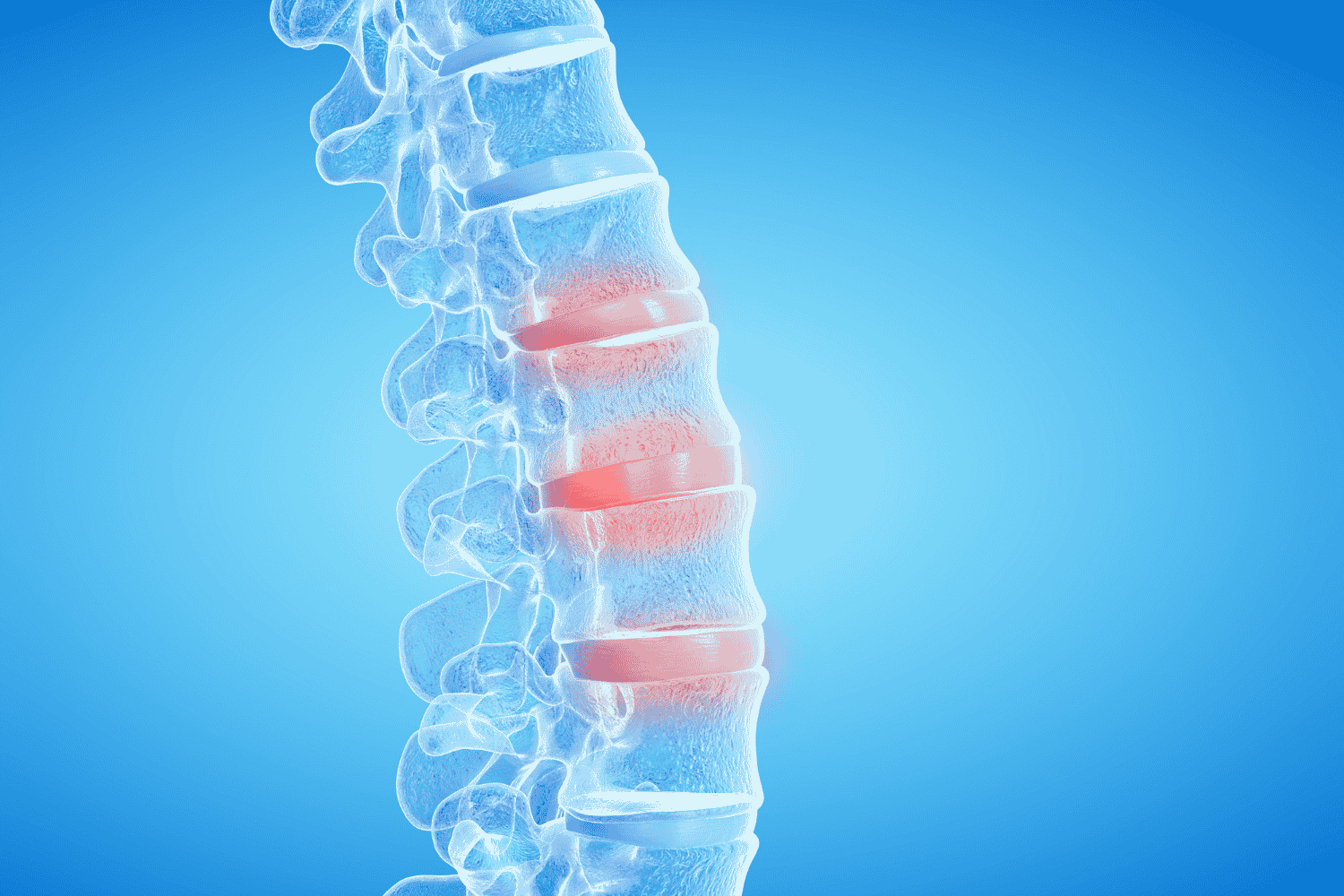
Comprehensive Care for Spine and Spinal Cord Trauma
Spinal cord injury can result from trauma, compression, fractures, dislocation, or other conditions that damage the spinal cord or surrounding structures. Because the spinal cord carries signals between the brain and body, injury can affect movement, sensation, bladder or bowel function, and other neurological abilities.
Dr. Shubham Vasudeva provides evaluation and neurosurgical management for spinal cord injuries and associated spine conditions requiring specialist intervention.
Common Causes
Spinal cord injuries may result from:
- Road traffic accidents
- Falls from height
- Sports injuries
- Vertebral fractures
- Severe spinal compression
- Workplace accidents
- Other traumatic injuries
The severity of neurological impairment depends on the level and extent of spinal cord involvement.
Possible Symptoms
Patients may experience:
- Neck or back pain
- Weakness of the arms or legs
- Numbness or tingling
- Difficulty walking
- Loss of coordination
- Reduced sensation
- Bladder or bowel changes
- Partial or complete paralysis in severe injuries
Sudden weakness or sensory loss following trauma requires immediate emergency assessment.
Diagnosis and Treatment
Imaging such as CT and MRI helps identify fractures, spinal instability, compression, disc injury, bleeding, or damage around the spinal cord.
Treatment depends on neurological findings and structural injury. Some stable injuries may be managed conservatively, while unstable fractures or significant compression may require surgery.
Surgical objectives can include:
- Relieving pressure on the spinal cord
- Stabilizing the spine
- Correcting significant structural instability
- Preventing further neurological damage
- Supporting rehabilitation and recovery
Rehabilitation and Long-Term Care
Treatment does not end after surgery. Patients may require physiotherapy, rehabilitation, pain management, mobility training, and regular neurological assessment.
Dr. Shubham’s expertise in brain and spine surgery, trauma care, and long-term patient management supports a comprehensive approach to spinal cord injury. Each case is assessed individually, with treatment aimed at protecting neurological function, maintaining spinal stability, and supporting the patient’s maximum possible functional recovery.
Other Conditions
Need Expert Brain & Spine Care?
Get personalized guidance for brain, spine, trauma, and neurovascular concerns with a careful, patient-focused approach.