Spinal Deformities
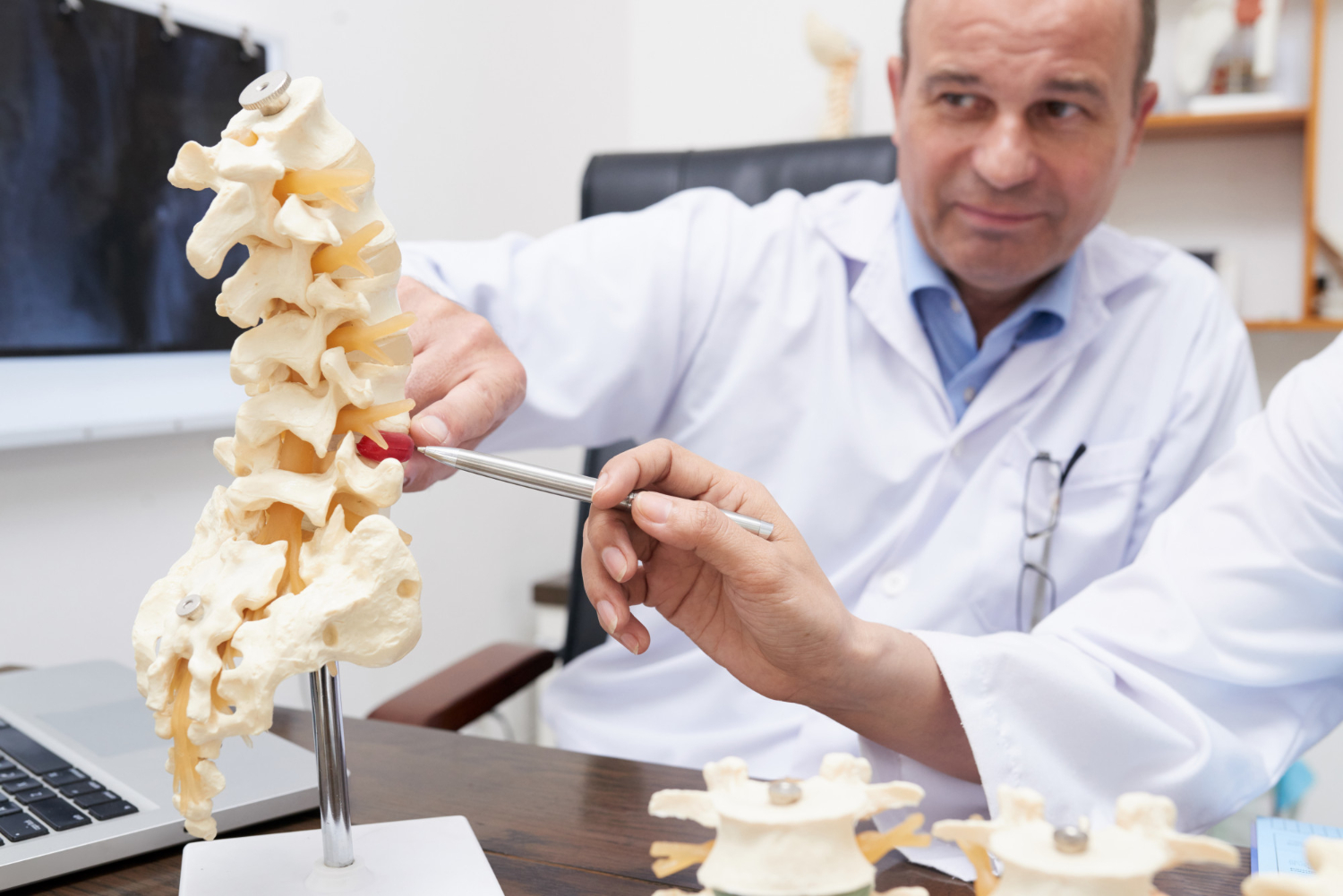
Understanding Abnormal Spinal Curvatures
Spinal deformities are conditions in which the normal alignment or curvature of the spine becomes abnormal. They can occur at different ages and may develop due to congenital conditions, degeneration, previous injuries, or other spinal problems. Common spinal deformities include scoliosis, where the spine curves sideways, and kyphosis, which causes an excessive forward curvature of the upper back.
Some spinal deformities remain mild and require only monitoring, while others can gradually progress and cause pain, changes in posture, difficulty with movement, or pressure on the spinal cord and nerves.
Common Symptoms
Depending on the type and severity of the deformity, patients may experience:
- Visible curvature or uneven posture
- Persistent back or neck pain
- Uneven shoulders or hips
- Difficulty standing or walking comfortably
- Numbness, tingling, or weakness
- Reduced mobility and flexibility
- Nerve-related pain in the arms or legs
Evaluation and Diagnosis
Assessment generally includes a detailed medical history, physical and neurological examination, and evaluation of spinal alignment. X-rays, CT scans, or MRI may be advised depending on the symptoms and suspected cause.
Imaging helps determine the degree of curvature, spinal stability, and whether there is compression of the spinal cord or nearby nerves.
Treatment of Spinal Deformities
Treatment is individualized according to the patient’s age, symptoms, type of deformity, progression, neurological findings, and overall health. Mild or stable conditions may be managed with observation, physiotherapy, pain management, and regular follow-up.
Surgical treatment may be considered in selected patients with significant or progressive deformity, spinal instability, persistent symptoms, or neurological compression. The aim of surgery, when required, is to address compression, improve or maintain spinal alignment and provide appropriate stability.
Careful evaluation is important before deciding whether surgery is necessary. The treatment approach focuses on preserving neurological function, improving mobility where possible, and supporting the patient’s long-term spinal health.
Other Conditions
Need Expert Brain & Spine Care?
Get personalized guidance for brain, spine, trauma, and neurovascular concerns with a careful, patient-focused approach.