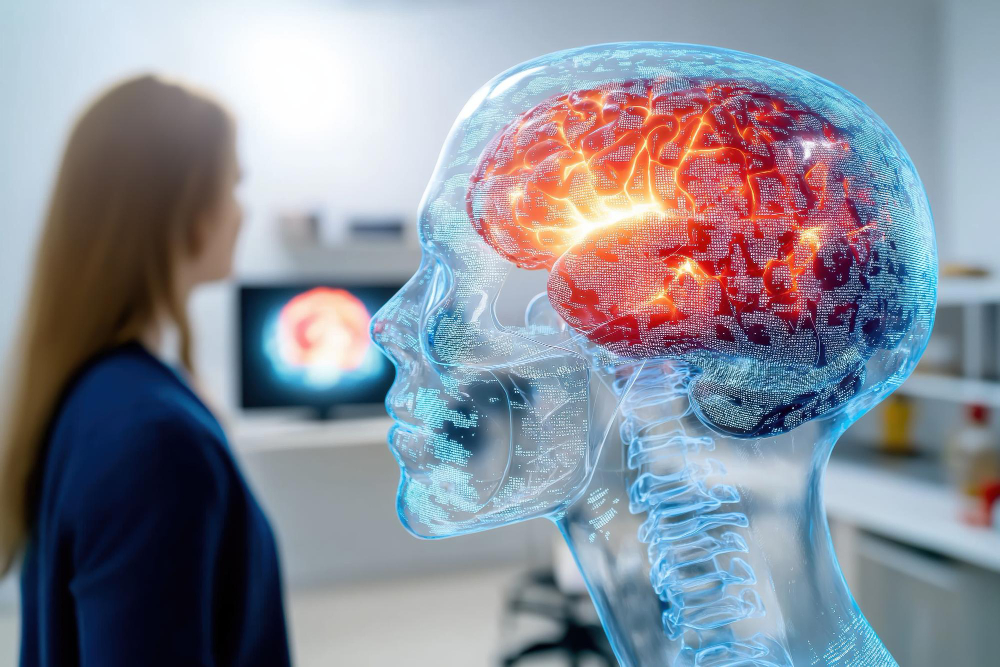
What is an Intracranial Aneurysm?
An intracranial aneurysm is a weak spot in a blood vessel inside the brain. Over time, this spot can bulge out like a balloon. Although many people have no symptoms, the aneurysm can burst. If it bursts, it can cause bleeding in the brain. This is a medical emergency. Because the risk is often silent, it is important to know about this condition. The term “brain aneurysm” is often used to describe an intracranial aneurysm.
Common Symptoms and Warning Signs
Most intracranial aneurysms do not cause symptoms until they leak or burst. However, some people may notice warning signs. For example, you may feel:
Sometimes, small aneurysms press on nerves in the brain. This can cause eye pain or changes in vision. Yet, many people have no symptoms until the aneurysm bursts. Therefore, it is important to know the warning signs.
Causes and Risk Factors
Doctors do not always know why an intracranial aneurysm forms. However, several risk factors can increase your chances. These include:
In addition, women have a higher risk than men. While some risk factors can be changed, others cannot. Knowing your risk factors for brain aneurysm can help you take steps to stay healthy.
How Intracranial Aneurysms are Diagnosed
Doctors use special tests to find an intracranial aneurysm. If you have symptoms or a family history, your doctor may order:
Sometimes, aneurysms are found by chance during tests for other problems. Early diagnosis can help prevent serious complications. According to the CDC, quick diagnosis is key to better outcomes.
Treatment Options
Treatment for intracranial aneurysm depends on its size, location, and your health. Your doctor may suggest:
Each treatment has benefits and risks. Therefore, your doctor will help you choose the best option. The World Health Organization recommends early treatment for high-risk aneurysms.
Lifestyle Tips and Prevention
While you cannot change some risk factors, you can lower your risk in other ways. For example:
Additionally, regular check-ups can help catch problems early. By making healthy choices, you can reduce your risk of brain aneurysm symptoms and complications.
When to Seek Medical Help
If you have a sudden, severe headache or any of the warning signs listed above, seek medical help right away. Early treatment can save your life. Even if you have no symptoms, talk to your doctor if you have risk factors for brain aneurysm. In summary, quick action is important for the best outcome.
For personalized guidance on intracranial aneurysm risks and treatment, consult a neurologist or neurosurgeon Dr. Shubham Vasudeva.